

Environmental safety refers to the practices, insurance policies, and measures aimed toward preventing, reducing, or mitigating the adverse impacts of human activities on the setting. The aim of environmental safety is to safeguard natural ecosystems, conserve biodiversity, and make sure the long-term sustainability of the planet for present and future generations. It involves a variety of actions and techniques designed to handle numerous environmental issues. Here are some key aspects of environmental safety:
Conservation of Natural Resources: Environmental safety involves efforts to conserve and handle natural assets corresponding to water, air, soil, forests, minerals, and wildlife. Sustainable useful resource management ensures that these assets can be found for future generations.
Mitigation of Pollution: Pollution control measures goal to reduce back or remove the release of pollutants into the environment. This consists of efforts to control air pollution, water pollution, soil contamination, and noise pollution.
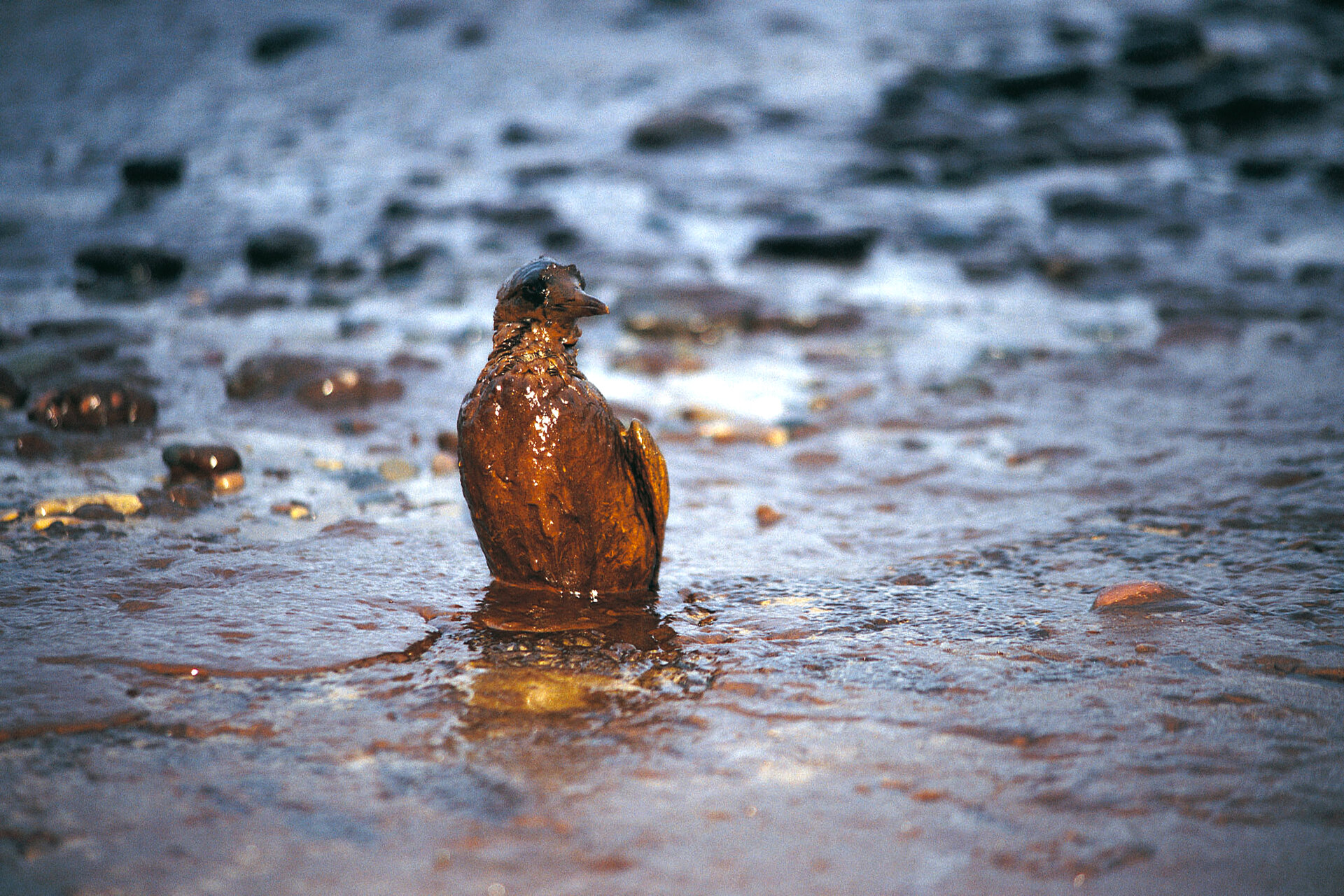
Habitat and Biodiversity Conservation: Protecting pure habitats and biodiversity is crucial for sustaining ecological steadiness. Conservation efforts usually concentrate on preserving ecosystems, defending endangered species, and selling biodiversity.
Climate Change Mitigation: Addressing local weather change is a central side of environmental safety. This consists of efforts to reduce back greenhouse gas emissions, transition to renewable vitality sources, and adapt to the changing climate.
Waste Management: Effective waste administration practices, similar to recycling, composting, and responsible disposal, are important for minimizing the environmental impacts of waste generation.
Land Use Planning: Responsible land use planning helps forestall urban sprawl, habitat destruction, and overdevelopment. It seeks to steadiness human needs with the preservation of pure areas.
Environmental Education and Advocacy: Raising awareness and educating the general public about environmental issues is essential. Environmental organizations and advocates play a key position in advocating for insurance policies and practices that protect the surroundings.
Regulatory Frameworks: Governments and regulatory businesses usually set up laws and laws to implement environmental protection standards. These standards help set limits on pollution and provide legal mechanisms for addressing environmental violations.
International Cooperation: Many environmental points are global in nature, such as local weather change and the conservation of migratory species. International agreements and treaties, such because the Paris Agreement on local weather change, promote world cooperation in environmental safety.
Sustainable Development: The concept of sustainable development seeks to balance financial development with environmental safety and social well-being. It emphasizes long-term planning and responsible useful resource use.
Click for more -Friendly Technologies: The improvement and adoption of green and sustainable applied sciences help reduce the environmental footprint of industries, transportation, and energy production.
Environmental Impact Assessments: Before major tasks or developments take place, environmental impact assessments are carried out to judge potential ecological and environmental results. This informs decision-making and helps decrease unfavorable impacts.
Environmental safety is essential for maintaining the well being and integrity of the planet and making certain that future generations can get pleasure from clean air, clear water, and a diverse and thriving natural world. It requires the collaboration of governments, businesses, communities, and individuals to create a sustainable and ecologically responsible future..