

Metal fabrication is an extremely complex operation that involves several processes, having as final result the building of metal structures. The primary processes involved in sheet metal fabrication are cutting, bending and assembling. Various raw materials are employed for metal fabrication and the work is generally predicated on engineering drawings. These materials include plate metal, formed and expanded metal, such as sectional metals or tube and square stocks, castings, welding wire or rod, fittings and hardware. Sheet metal forming is a process which has various applications across a variety of industries and specialties, which makes the fabrication a value added process. These industry sectors include electrical and electronic fields, lighting, energy, architectural and construction, furniture, petrochemical and mining, as well as the coal and oil industry, pneumatic processing and hydraulics. There are several companies that operate in neuro-scientific metal fabrication nowadays, but it is important for production companies that require such services or products to resort to an experienced, yet modern provider, with cutting edge equipment that can provide consistent accuracy.
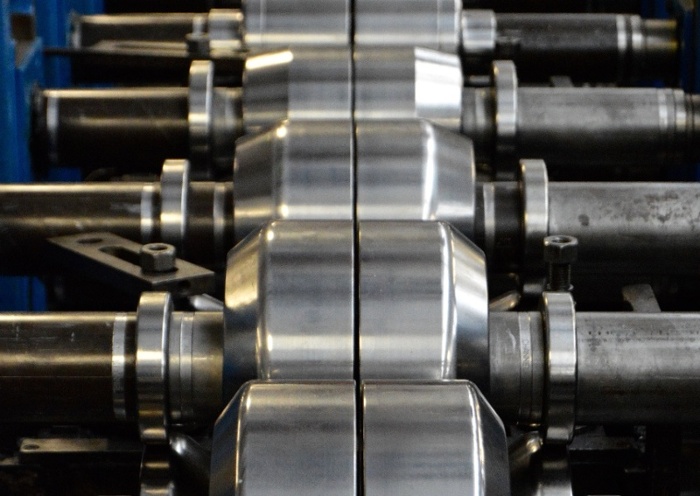
As stated above, cutting may be the first process in sheet metal fabrication and it is done through various methods. It is usually performed through sawing, chiselling or shearing, every technique having both manual and powered alternatives. Cutting can also be done through torching, in which particular case hand held torches are increasingly being used, whether plasma torches or oxy-fuel ones. For high precision cutting, many sheet metal forming companies use numerical control cutters, often known as CNC, which use lasers, water jet cutting machines, mill bits or torches. Bending may be the next thing in metal fabrication and contains been done by hammering most of the time. However, with the advances registered by technology, most providers these days use press brakes along with other such tools. Modern fabricators use press brakes to air bend sheet metal into form or to coin it in. The CNC controlled press brakes are now easily and highly effectively programmed through offline programming software, which makes the entire process seamless and dynamic also to some extent, even economical.
Last, but not least, sheet metal fabrication is ended through the assembling process. This comprises different series of actions in its turn, such welding, adhesive binding and fastener threading or riveting. For the process of assembling, human labour and automation could be both used, although modern fabrication sections mostly use automated welding applications. Welding is normally considered the primary focus of sheet metal forming, therefore special precautions are oftentimes needed along the way. Shops and companies that specialise in this portion of metal work are often called fab shops and several of these have specialty processes developed, such as casting, brazing, welding or spinning. Great site -level specialisations include technical drawing and machine design, electrical specialisation and hydraulics, in addition to prototyping and sun-contract manufacturing. It is vital for companies that require metal fabrication services to take each one of these factors into account when choosing their service provider.